Why Edibles for Anxiety Relief Are Gaining Popularity Among Cannabis Users
@getediblesanxietyreliefpulse
October 11, 2026 · 7 min read
For years, the conversation around cannabis and anxiety was split. Some people swore by a few puffs of a high-THC strain to melt their worries away. Others found that same puff sent their heart racing and their thoughts spiraling. What many of us discovered through trial and error is that delivery method matters almost as much as the cannabinoid profile itself. That is where edibles for anxiety relief come into the picture, offering a completely different experience from smoking or vaping.
When you eat a cannabis-infused product, your liver metabolizes delta-9 THC into 11-hydroxy-THC, a compound that is more potent and tends to produce a longer, smoother effect. That metabolic shift is the reason many people find edible cannabis gentler on their nervous system than inhaled cannabis. The onset is slower, the peak is softer, and the comedown is gradual. For someone managing daily stress or occasional panic, that kind of predictability can be a game-changer in the best sense.
How Edibles Interact with Your Brain
To understand why cannabis edibles work for anxiety, you have to look at the endocannabinoid system. This network of receptors in your brain and body helps regulate mood, sleep, appetite, and stress response. When you consume THC or CBD, those cannabinoids bind to CB1 and CB2 receptors, influencing how your brain processes fear and worry. The effect is not unlike how natural neurotransmitters like serotonin and GABA calm the mind, but the pathway is different.
Full spectrum CBD, for example, interacts with serotonin receptors without producing a high. That makes it a popular choice for people who want anxiety management during the workday. On the other hand, delta-9 THC in a low dose can quiet the brain's default mode network, the part of your mind that tends to ruminate on past mistakes or future worries. Finding the right balance between those two cannabinoids is where edible dosage becomes an art.
What Makes a Good Edible for Anxiety
Not every cannabis edible on the shelf is designed with anxiety in mind. Some are made for intense recreational experiences, with high THC concentrations and little else. For anxiety relief, you generally want a product that leans toward a more balanced cannabinoid profile or includes additional calming ingredients. This is where the market has gotten interesting in the last few years.
THC gummies, for instance, are one of the most accessible formats. A good brand will list the exact milligrams of THC and CBD per piece, allowing you to microdose precisely. Microdosing with edibles means taking a sub-psychoactive amount, usually between 2.5 and 5 milligrams of THC, enough to take the edge off without feeling intoxicated. Many people find that a single THC gummy in the afternoon helps them shift from a stressed mindset into a more relaxed one without losing focus.
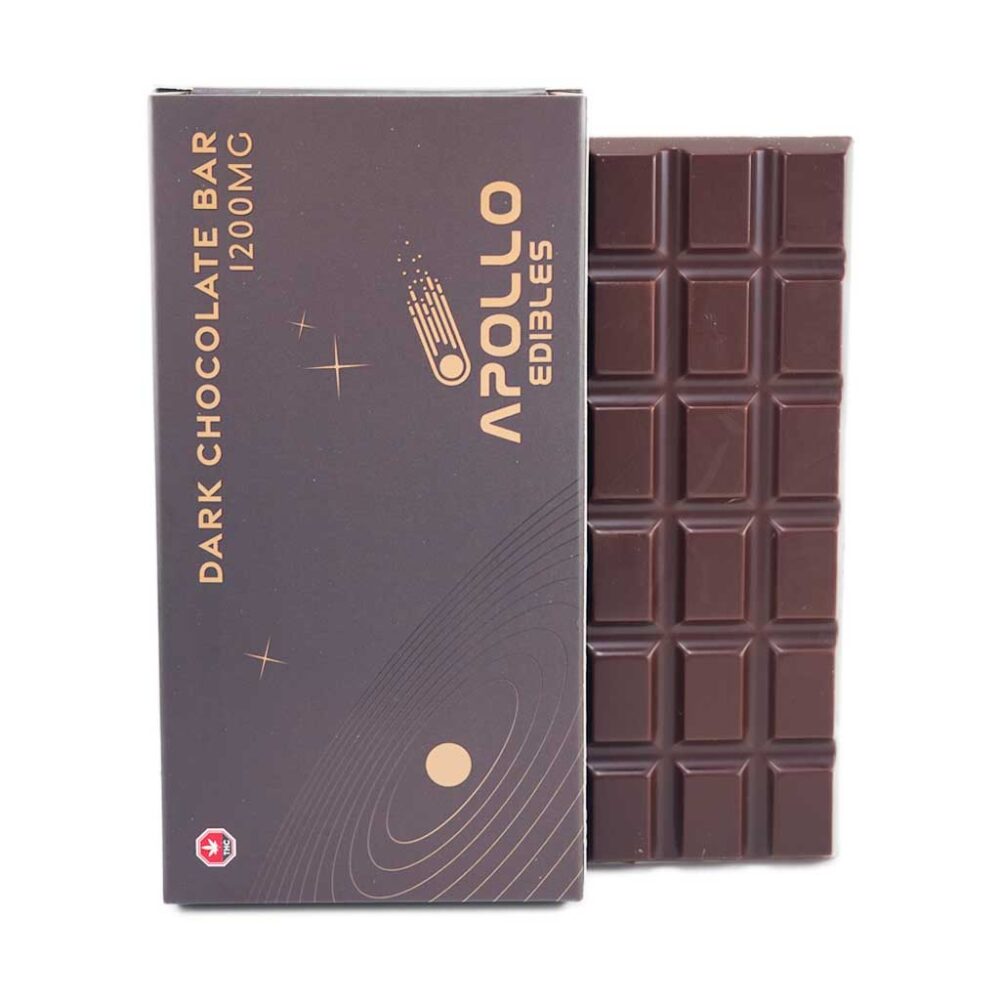
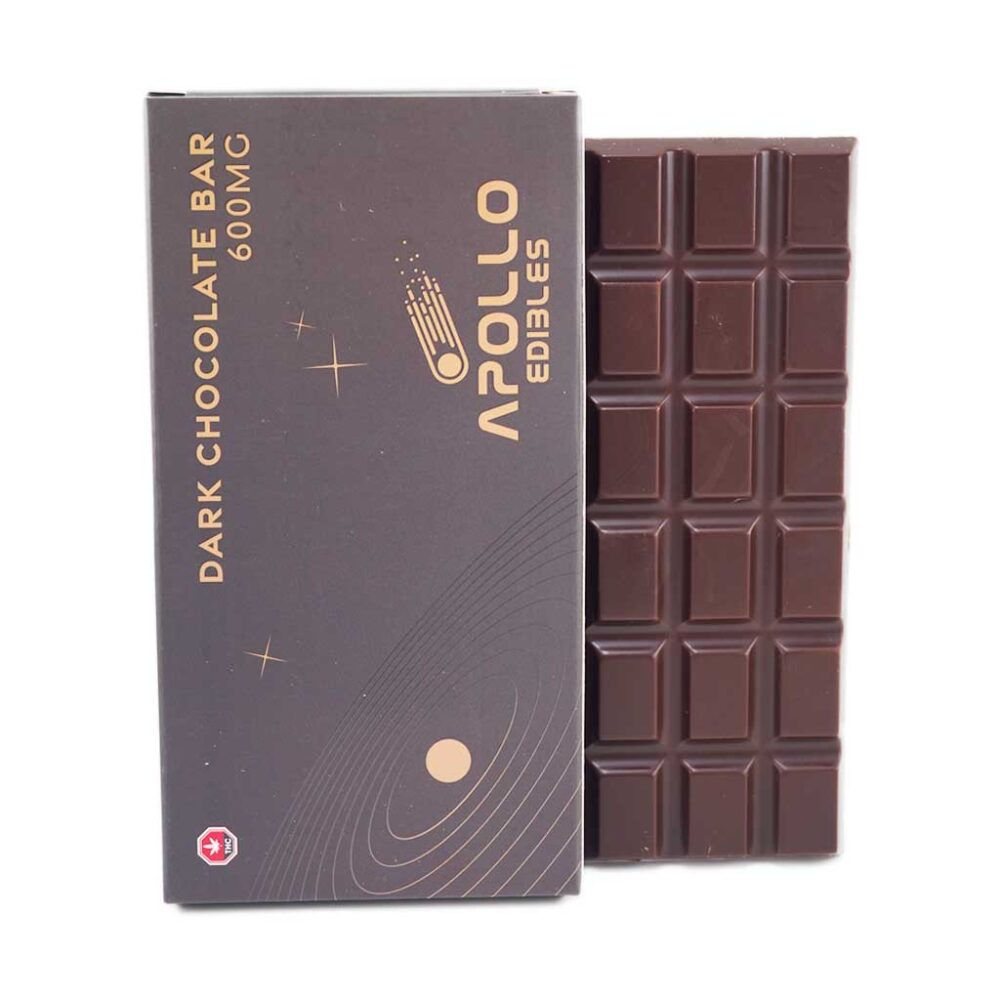
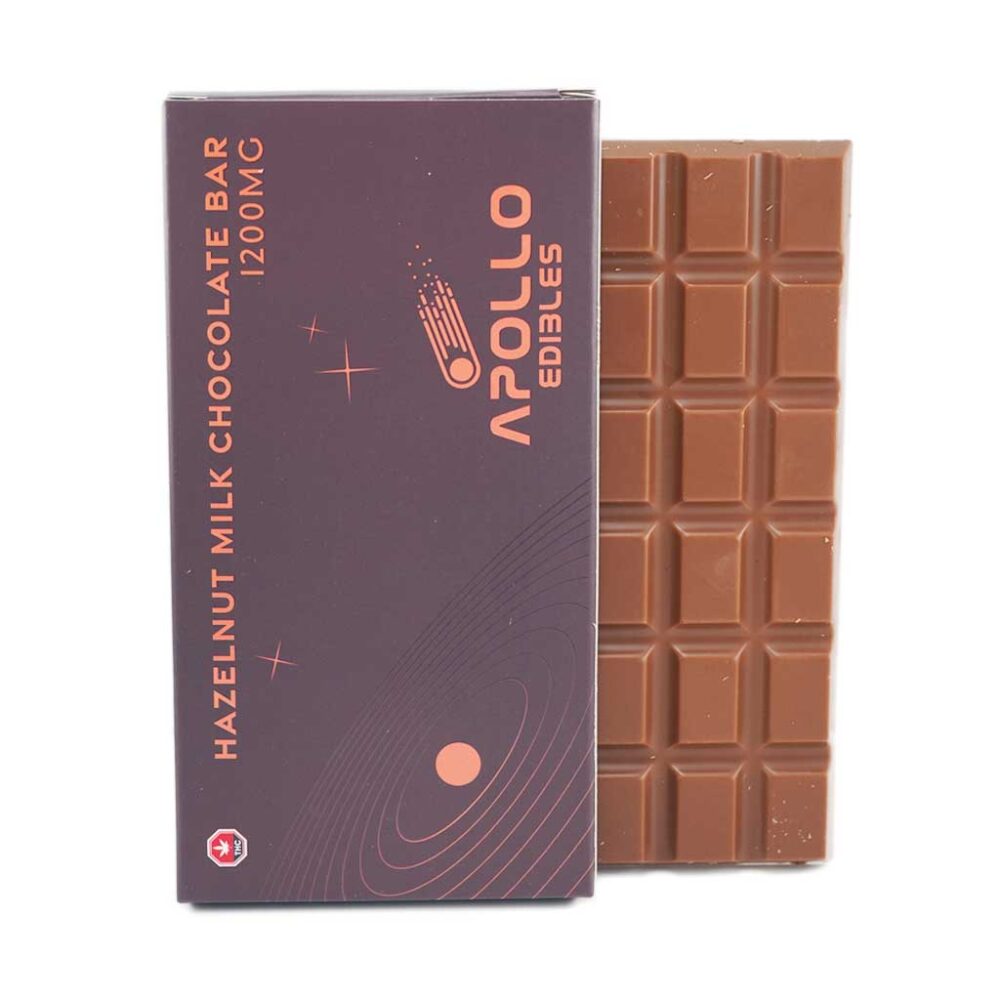
CBD chocolates offer another path. Since CBD counteracts some of the anxiety that high THC can cause, a chocolate bar with a balanced ratio of CBD to THC tends to produce a calm, clear-headed effect. The fat in chocolate also helps with absorption, since cannabinoids are fat-soluble. Some chocolates even incorporate adaptogens like Ashwagandha or L-theanine, which are known to support the body's stress response. L-theanine, the calming amino acid found in green tea, pairs especially well with CBD for a gentle, non-drowsy sense of ease.
Beyond Gummies and Chocolate
The edible category extends far beyond sweets. Baked goods like cookies and brownies have been a staple of homemade cannabis culture for decades, and commercial versions now offer consistent dosing. Dried fruits, such as mango or strawberry pieces infused with cannabis extracts, are a lighter option for people who want something chewy and portable without the sugar load of a gummy. They also tend to have a faster onset because the fruit matrix breaks down quickly in the stomach.
For those who prefer to customize their experience, cannabis tinctures and cannabutter let you control exactly how much you take. A few drops of a tincture under the tongue can start working in fifteen to twenty minutes, faster than a solid edible. Cannabutter can be stirred into tea or spread on toast, which is useful for people who want to layer their anxiety management with other rituals like a warm drink or a morning routine. MCT oil is sometimes used as a carrier for tinctures because it helps the body absorb cannabinoids more efficiently, giving a more reliable effect from batch to batch.
Another intriguing category that has emerged alongside edibles is magic truffles, which contain psilocybin rather than cannabis. While not directly related to cannabis edibles, some people exploring natural anxiety relief have turned to microdoses of magic truffles for their reported effects on mood and cognitive flexibility. That said, psilocybin works on completely different neurotransmitters, and its legal status varies widely. For the purposes of this article, it is worth mentioning as a parallel trend in the broader world of plant-based anxiety support, but it operates on a different legal and physiological plane than cannabis edibles.
Terpenes and the Entourage Effect
One of the less discussed but crucial factors in choosing edibles for anxiety relief is the role of terpenes. These aromatic compounds are responsible for the distinctive smells of different cannabis strains, but they also have therapeutic properties. Myrcene, for example, has sedative effects. Limonene can elevate mood. Linalool, which is also found in lavender, promotes relaxation. When you consume a full-spectrum edible that preserves the plant's natural terpene profile, you get what is called the entourage effect, where multiple compounds work together to produce a result that is greater than the sum of their parts.
That is why many experienced users prefer products made with whole-plant cannabis extracts rather than isolated THC or CBD. A good edible should list not only the cannabinoid content but also mention the presence of key terpenes. Some manufacturers now include terpene profiles on their packaging, which is a helpful step for anyone trying to match a product to their specific anxiety pattern.
Dosage and Patience
If there is one mistake people make with cannabis edibles, it is taking too much too soon. The delayed onset, which can be anywhere from thirty minutes to two hours depending on your metabolism and what you have eaten, often leads beginners to eat another piece thinking the first one did not work. That is how you end up with an uncomfortable experience that can actually heighten anxiety instead of relieving it.
Edible dosage is highly individual. Factors like body weight, tolerance, enzyme activity in the liver, and even your gut microbiome play a role in how you process cannabinoids. A good rule of thumb is to start with five milligrams of THC or less, wait at least ninety minutes, and assess before taking more. For people who are especially sensitive, products that combine CBD with a trace amount of THC are a safer starting point. Many people find that a ratio of about 5:1 CBD to THC, for instance 25 milligrams of CBD and 5 milligrams of THC, hits a sweet spot for anxiety without noticeable intoxication.
Sleep aids are another area where edibles excel. A small dose of THC combined with CBN, a minor cannabinoid that forms as THC ages, can promote deep sleep without the grogginess that some over-the-counter sleep aids cause. For people whose anxiety is tied to poor sleep, a nighttime edible can break that cycle.
Practical Tips for First-Timers
If you are considering trying edibles for anxiety relief, here are a few things that can make the experience smoother:
- Always check the label for total milligrams of THC and CBD. If the product does not list them, look for one that does.
- Take your edible with a small amount of fat, like a spoonful of peanut butter or a few nuts. Fat helps the body absorb cannabinoids more consistently.
- Keep a journal of your dosage, the time of day, and how you feel. Over a few weeks, patterns will emerge that guide your ideal dose.
- Be mindful of other substances. Alcohol amplifies the effects of THC and can turn a calm edible into an overwhelming one.
- Store your edibles in a cool, dark place. Heat and light degrade cannabinoids and terpenes over time, reducing potency and altering effects.
Kush Station, an online shop that carries a wide variety of cannabis-infused edibles, offers products ranging from THC gummies to CBD chocolates and dried fruits. Their catalog includes detailed information on usage and effects, which is useful for anyone trying to match a product to their needs. Whether you are looking for a daily microdose or something stronger for occasional use, having access to a range of formats and potencies helps you find what works for your body.
The world of cannabis edibles is still evolving, and the science is catching up to what many users have known anecdotally for years: that eating cannabis can be a reliable tool for anxiety management when approached with knowledge and care. By paying attention to cannabinoid ratios, terpenes, and your own personal response, you can turn an ordinary edible into a precise instrument for calming the mind.